HVAC Service Quote Red Flags That May Signal Overpricing
A good HVAC quote should feel clear, not slippery. It should tell you what work is being done, why it matters, what parts are involved, and how the price was built. When a quote comes back vague, padded with extras, or strangely urgent, that is often where overpricing hides.
I have seen homeowners compare two estimates for the same furnace repair and find a difference of several hundred dollars. Sometimes the higher quote is justified by better parts, a more complex repair, or a company that carries more overhead and offers stronger guarantees. Other times, the price gap comes from the way the quote is written. The wording matters. The details matter. The absence of details matters even more.
That is why it helps to know what a fair HVAC service quote looks like before you sign anything. Whether you are searching for HVAC maintenance cost near me, trying to judge a fair HVAC tune-up price, or comparing maintenance cost Winter Haven against what a company is quoting, the warning signs are often in the language and structure of the estimate itself.
A quote should explain the job, not just name a number
The first red flag is a quote that gives you a final price without much explanation. A service call, especially a diagnostic or maintenance visit, should not feel like a mystery box. You should be able to tell whether the company is charging for a standard tune-up, a repair, a parts replacement, a deep cleaning, or a combination of those tasks.
When a quote is vague, ask yourself what is missing. Is there a labor breakdown? Are the parts identified by type or model? Does the company explain whether the price includes trip charges, diagnostic fees, or refrigerant costs? If all you see is a lump sum and a generic line like “HVAC service,” that can be a sign the contractor is leaving room to add charges later or has inflated the number to cover unknowns.
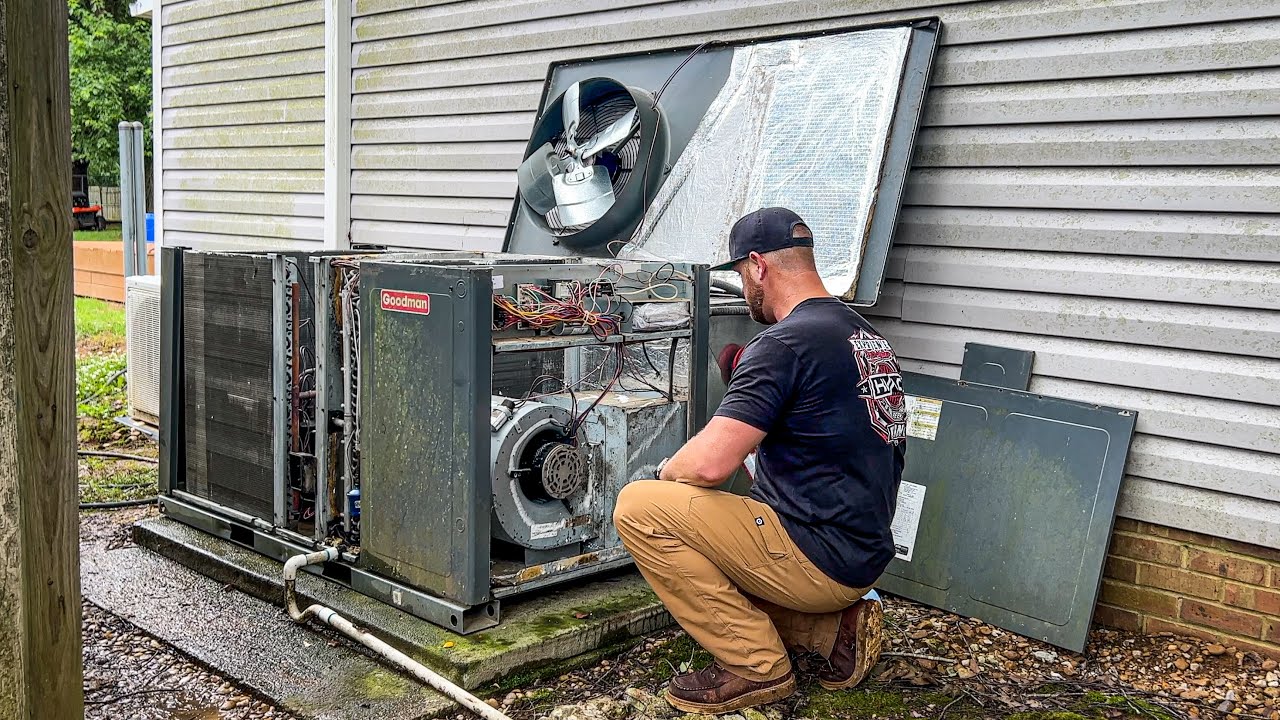
There is also a practical reason to demand clarity. HVAC work is not one-size-fits-all. Replacing a capacitor, cleaning a condenser coil, and topping off refrigerant are very different jobs. A quote that treats them as interchangeable is not doing you any favors.
A fair quote usually separates diagnostics from repairs
A lot of homeowners get tripped up here. A diagnostic fee is not automatically a bad sign. In many markets, it is normal for an HVAC company to charge for a technician to come out, inspect the system, test components, and identify the problem. The issue is whether that fee is clear and whether it is applied in a way that makes sense.
The overpricing red flag appears when the diagnostic fee is unusually high and then disappears into an inflated repair total, or when a company charges to “diagnose” a problem it has not actually investigated. If a technician spends ten minutes glancing at the unit and immediately pushes a costly repair with no test readings, that is worth questioning.
A well-run company will usually tell you something like this: the diagnostic visit costs a set amount, and if you approve the repair, that amount may be credited toward the work. Not every contractor uses that model, and that is fine. What matters is that the fee structure is honest and easy to follow.
One of the biggest warning signs is pressure dressed up as urgency
HVAC failures can be urgent. A dead compressor in August or a furnace outage during a cold snap is not something anyone wants to sit on. But urgency should not be used as a sales trick. If a technician insists that the repair must be approved immediately, without enough time to review the quote, that deserves caution.
I have watched people agree to expensive replacement proposals because they were told the system could fail “any minute,” only to learn later that the unit still had life left with a far smaller repair. Yes, some equipment is genuinely at the end of its useful life. Compressors, control boards, and blower motors can become expensive, and older systems may not justify repeated repairs. Still, a legitimate contractor should be willing to explain the issue in plain language and let you make an informed decision.
The problem is not urgency itself. The problem is manufactured panic. If a company is counting on fear, that often means it knows the numbers are not likely to stand up to scrutiny.
Be careful with quotes that recommend major replacement too quickly
There are times when replacement is the right answer. A system that is undersized, badly corroded, or repeatedly failing may be costing more in repairs and energy than it is worth. But overpricing often shows up in the form of premature replacement recommendations. If the first visit ends with a suggestion to replace a whole condenser, furnace, or air handler, especially before the technician has explained what failed and why, ask for proof.
A solid replacement recommendation usually includes more than “it is old.” Age alone is not enough. A twenty-year-old system that has been maintained and is still running with acceptable efficiency may continue operating for a while. On the other hand, a ten-year-old unit with a failed compressor and evidence of previous refrigerant issues could be a poor candidate for repair. The difference lies in condition, not just age.
When a contractor jumps straight to a full-system replacement, it can mean one of two things. Either the job truly is beyond economical repair, or the company makes more money selling equipment than fixing it. Sometimes both are true. That is why it helps to ask for the failure details, not just the sales pitch.
Watch for inflated parts pricing hidden inside labor charges
Another classic red flag is a quote that looks reasonable at first glance until you compare the parts and labor details. Some companies present a low labor charge but mark up parts heavily. Others do the opposite. Neither is automatically wrong. Businesses have to cover overhead, inventory, warranty risk, and technician time. Still, parts should not be priced so aggressively that they no longer resemble the real scope of the repair.
A common example is a capacitor replacement. The part itself is usually not expensive, but the total price includes diagnosis, travel, installation, and the company’s markup. If that simple repair is quoted at a price that seems more like a half-day of labor than a quick service call, the estimate may be padded.
The same logic applies to filters, contactors, drain pan work, and thermostat replacements. These are routine items in the HVAC world. A quote that makes every basic component sound exotic or specialized can be trying to justify a high total.
Generic seasonal tune-up packages can hide unnecessary upsells
Homeowners searching for a fair HVAC tune-up price often get pulled into package pricing. Some companies offer a bargain-basement maintenance special, then use the visit to sell “recommended” extras that were not part of the original offer. Others do the reverse, quoting a high maintenance package that includes a long list of services many systems do not need at every visit.
A proper tune-up should cover the core tasks that protect equipment and catch obvious issues early. That usually means checking electrical components, measuring system performance, inspecting safety controls, cleaning essential parts, and looking at airflow and drainage. If a company is charging premium rates for a tune-up but cannot explain exactly what is included, there is room for overpricing.
For homeowners comparing maintenance cost Winter Haven or similar local pricing, location matters because labor rates, travel time, and seasonal demand vary. Still, a tune-up should not be so expensive that it feels like a disguised sales appointment. If the quote reads like a bundle of buzzwords instead of a maintenance plan, ask what each item actually does.
Numbers that do not match the system size or scope deserve scrutiny
Quotes often become suspicious when they feel detached from the actual equipment. If you have a straightforward single-system home and receive a quote that seems written for a commercial building, something is off. Likewise, if you own a basic split system and the contractor uses language that implies a major retrofit, you may be looking at padding.
A fair HVAC service quote should reflect the size of the system, accessibility, parts availability, and the complexity of the issue. A rooftop unit with difficult access costs more to service than a garage-installed system. A replacement blower assembly costs more than a thermostat swap. But if the quote seems disconnected from those realities, ask the contractor to walk through the pricing step by step.
Sometimes the overpricing is not dramatic. It is just a few unnecessary add-ons layered onto a normal job, such as an extra line item for “system optimization,” a charge for “priority handling” on a standard appointment, or an inflated disposal fee that does not match the scope of work. Each item may look small on its own. Together, they can add a significant amount.
The language of the quote often tells you more than the price
The wording in an estimate can reveal whether the company is trying to inform you or steer you. Look closely at phrases that are intentionally broad. Words like “needed,” “recommended,” and “strongly advised” are not wrong by themselves, but they should be backed by evidence. If the quote says a part is failing, the technician should be able to explain the test results or symptoms that led to that conclusion.
It helps to think of a quote as a document, not a sales flyer. A real service proposal should identify the work, the reason for the work, and the expected outcome. If it leans heavily on promotional language, vague urgency, or promises of “maximum comfort” without specifics, the quote may be designed to sound premium rather than fair.
I have seen homeowners hesitate to ask questions because they do not want to seem difficult. That hesitation is expensive. A good contractor will not mind clarifying a line item or explaining why a certain part costs what it does. The ones who get defensive tend to be the ones hiding something.
A few questions can reveal whether the quote holds up
You do not need to be an HVAC technician to spot trouble. You only need to ask clear questions and listen to how the company responds. If they answer directly, that is a good sign. If they dodge, generalize, or rush past your concerns, treat that as useful information.
Here are five questions that usually separate a clean quote from a questionable one:
- What exactly is included in this price?
- Is the diagnostic fee separate, and can it be credited toward the repair?
- Which parts are being replaced, and why are they necessary?
- Is there a warranty on labor and parts, and for how long?
- If I get a second opinion, will this quote still stand?
Those questions are not confrontational. They are basic due diligence. A contractor who respects your budget will be ready for them.
Price alone does not tell the whole story, but extreme outliers matter
It is tempting to chase the lowest HVAC service quote every time. That can backfire just as easily as accepting the highest one. The cheapest estimate may skip important steps, use inferior parts, or exclude charges that appear later. Still, when one quote is dramatically above the rest and the explanation is thin, that is worth a closer look.
I usually tell homeowners to compare at least two or three quotes for larger repairs or replacements. If one estimate is far outside the others, the difference should be traceable to something concrete, such as better warranty coverage, higher-efficiency equipment, more extensive duct work, or a difficult installation. If there is no clear reason, the quote may simply be padded.
This is where local context matters too. Someone pricing maintenance cost Winter Haven may see different labor rates than someone in a higher-cost metro area. That is normal. What is not normal is a quote that ignores the local market entirely and seems built from the contractor’s wish list rather than your system’s needs.
emergency ac repairService quality and pricing are connected, but not always in obvious ways
A fair price does not always mean a cheap price. Sometimes paying a little more gets you a technician who actually tests static pressure, checks refrigerant levels correctly, or finds a wiring issue before it becomes a major breakdown. That has value. I have seen the difference firsthand between a rushed, surface-level visit and a thoughtful service call that catches a failing contactor, a blocked drain, and a miscalibrated thermostat in one appointment.
But you should not pay premium rates for basic, sloppy work. There is a real difference between a company that charges more because it does more and a company that charges more because it can. The former usually explains its process. The latter hides behind brand polish and vague assurances.
When you search for HVAC maintenance cost near me, what you are really trying to learn is the going rate for competent work in your area. Competence has a price. Excessive markup has a different one. Learning to tell the difference saves money and headaches.
A practical way to judge whether a quote is fair
A reasonable HVAC service quote tends to have a few common traits. It identifies the work clearly. It explains any diagnostic fee. It distinguishes labor from parts. It shows the reasoning behind repairs or replacement. It leaves room for questions without making you feel rushed. That is the pattern to look for.
An overpriced or suspicious quote often does the opposite. It stays vague, leans on urgency, mixes optional items into required work, and uses language that sounds polished but says very little. The higher the price, the more detail you should expect. Not less.
The best approach is not to assume every high estimate is dishonest or every low estimate is trustworthy. It is to treat the quote as a test of professionalism. Contractors who know their craft can usually explain it. Contractors who overcharge often depend on confusion. If you can read the estimate and understand what you are paying for, you are already in a much better position than most homeowners who sign on the spot.
The next time a company hands you an HVAC service quote, slow down and read it like someone who plans to keep the system running for years, not ductless ac repair just until the next heat wave. That pause is often where the savings begin.
Phone:
(863) 247-0271
Website:
icecoolinghvac.com
Indoor Climate Experts
296 Lake Smart Circle,
Winter Haven,
FL
33881